

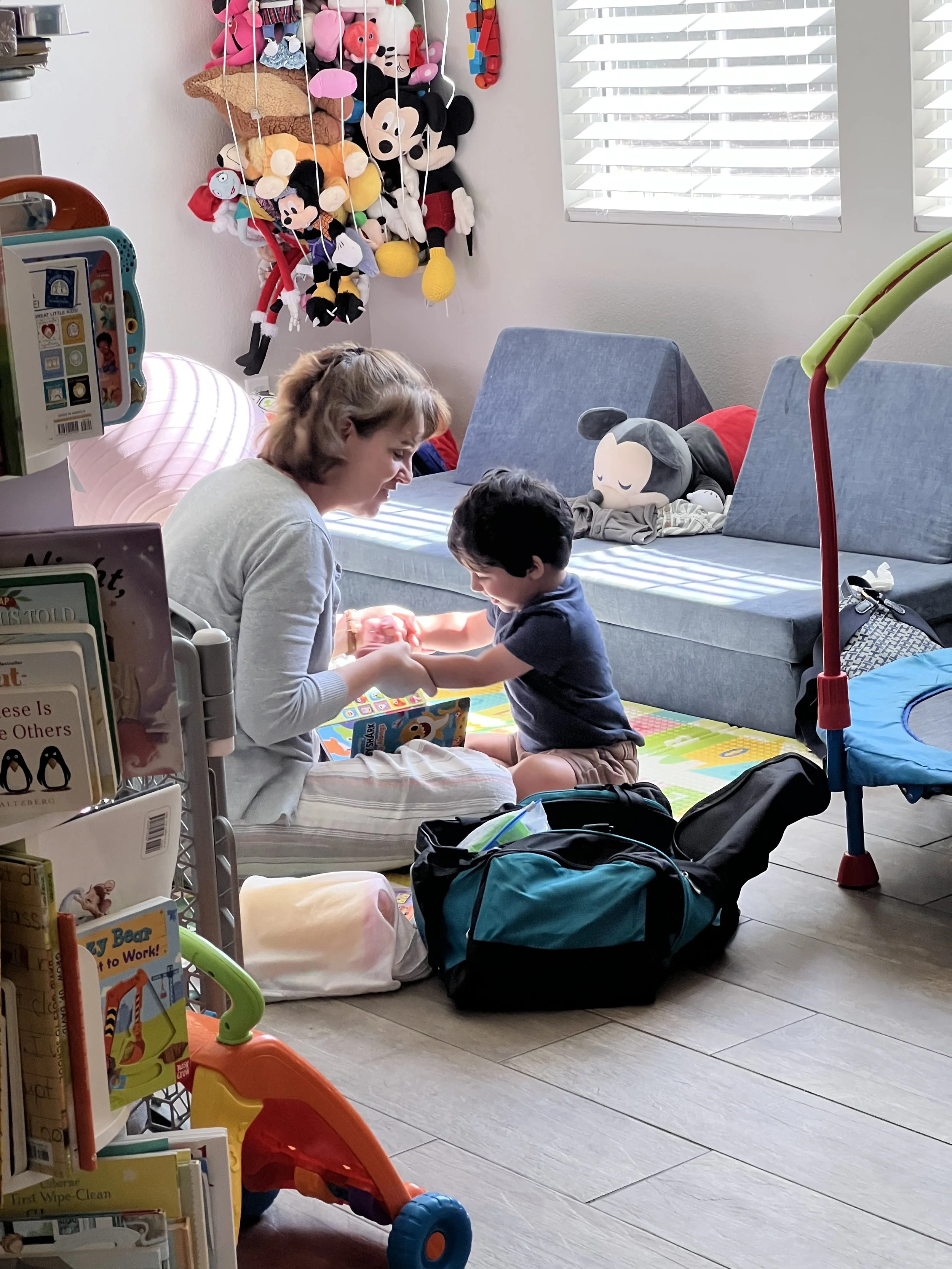
In home visits and virtual consults/telehealth
Pediatric Occupational Therapy and Feeding Therapy in Ventura County, CA
Supporting infants and toddlers with feeding, motor and sensory challenges.
You know something isn't right. Your baby is fussy at feeding times, not gaining the way you hoped, or just won't take to solids. You've been waiting for answers, calling around, stuck in a system that moves too slowly.
At Lil' Nugget Pediatric Occupational and Feeding Therapy, we believe no family should have to wait for help. We specialize in supporting infants and toddlers with feeding challenges — so you can stop worrying and start enjoying feeding your baby.
Breastfeeding and bottle feeding
Management of feeding issues related to tongue tie and/or lip tie
Poor weight gain or slow weight gain
NICU Graduates support
Difficulties transitioning to solids
Picky eating
Preferred head turn or head tilt (torticollis)
Flat spot or head flattening (plagiocephaly)
Developmental delays
We offer expertise in:
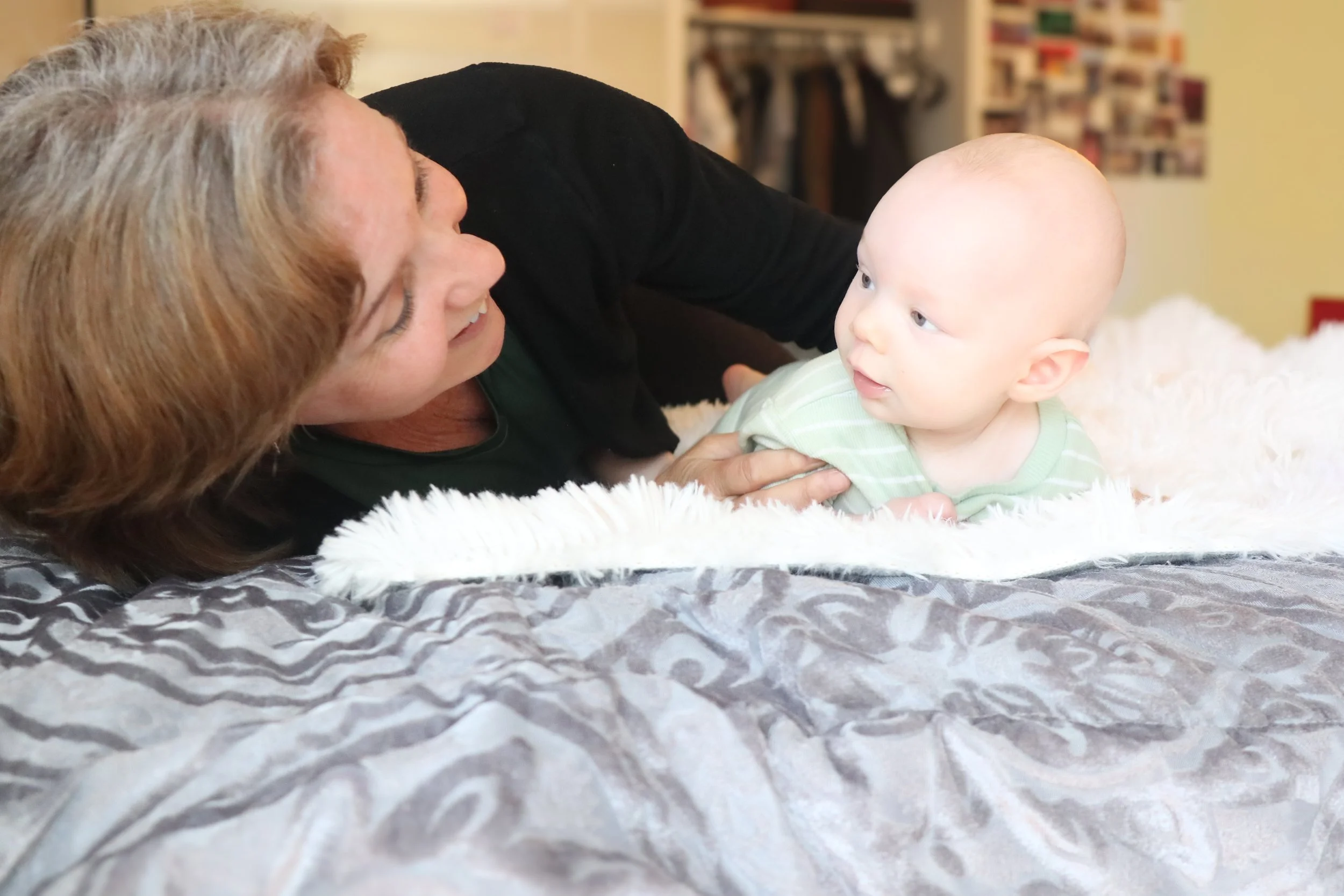
In-home visits in Fillmore, Santa Paula, Ventura, Oxnard, Camarillo and nearby communities. Teletherapy available throughout California.
SERVICES

Feeding Evaluation
Wether you and your baby are struggling with breastfeeding, bottle feeding or a combination of both, or if your toddler is having difficulties moving on to solids, a comprehensive feeding evaluation to assess baby’s oral motor skills, sensory processing, and overall development is the first step. This allows Lil’ Nugget Pediatric Occupational and Feeding Therapy to develop a treatment plan to assist you in reaching your goals.

Feeding Therapy/Occupational Therapy
Once the evaluation is completed, and a treatment plan has been established, feeding therapy can begin.
If your child’s feeding difficulties stem from other problems such as a preferred head turn (torticollis), a flat spot (plagiocephaly), abnormal muscle tone, developmental delays and/or sensory processing difficulties, Lil’ Nugget’s pediatric occupational therapist will also need to address these.

Tummy Time! Method
For Pre-Crawling Babies
Tummy time isn't just about putting baby on their belly — it's about connection. The TummyTime!™ Method turns those special moments into a calm, face-to-face bonding ritual that supports your baby's strength, brain development, and nervous system while helping with common struggles like reflux, colic, flat spots, and feeding. All at your baby's own pace — and with you feeling confident, not overwhelmed, every step of the way.
At Lil’ Nugget, The Tummy Time! Method can be done on it’s own or as part of your baby’s treatment plan.

Group /Parent Education
Lil’ Nugget Pediatric Occupational and Feeding Therapy offers small groups and parent education classes:
Tummy Time! Method Group Classes
How to Introduce Solids Parent Education Classes
In-home visits in Fillmore, Santa Paula, Ventura, Oxnard, Camarillo and nearby communities. Teletherapy available throughout California.
Commonly Asked Questions About Pediatric Occupational Therapy and Feeding Therapy
-
Tongue ties are usually suspected when breastfeeding is difficult. Here are some symptoms that might indicate a tongue tie and the need for further screening:
Mother’s Symptoms:
Painful nursing, poor latch cracked, creased, flattened nipples, bleeding nipples, having to use a nipple shield and feeling like feeding the baby is a full time job
Baby’s Issues:
Poor latch at breast or bottle, falls asleep while feeding, slides on and off the nipple while feeding, cries often/fussy often, reflux symptoms, spits up often, clicking or smacking noises when eating, gagging and choking when eating, poor weight gain, biting/ chewing nipple, pacifier falls out easily or won’t stay in, milk dribbles from the corner, mouth breathing, snoring, noisy breathing, congested, frustration at the breast or bottle, takes more than 20 minutes per feeding, eats more frequently than every 2 hours
If you suspect that you baby has a tongue tie, contact Lil’ nugget OT to schedule an evaluation.
To find how Pediatric Occupational Therapy and Feeding therapy can help you baby feed better and thrive, check out this blog post: Is a Tongue Tie Behind Your Feeding Struggles?
-
If you baby is just starting to eat solids, gagging is normal and is part of learning how to eat. However, if gagging leads to vomiting, if he/she gags with every bite of food it could indicate some difficulties with mouth movements or oral motor skills development. If your baby gags at the smell and sight of food, without even tasting it, he/she might be having some difficulties processing the different sensory inputs associated with food and eating. Delayed oral motor skills development and difficulties with sensory processing can lead to picky eating and even food aversion if not addressed quickly. Getting an occupational therapy evaluation with a focus on feeding is recommended in this case.
-
Picky eating or selective eating is normal in toddlers and preschoolers. However, if your child eats less than 20 foods total, eliminated foods he/she used to eat from his diet and/or will not eat foods from a certain food group (won’t eat any vegetables), will not try new foods, requests the food be presented the same way, will only eat the same brand of a food and refuses to eat another brand, won’t touch his/her food and gets upset when his/her hands are dirty, and prefers to drink over eating, this is cause for concern. You should request a feeding evaluation by an occupational therapist since your child might be having delayed oral motor skills and sensory processing difficulties which affect his ability to eat a variety of foods.
-
Lactation consultants are experts in breastfeeding and many of them can guide you through getting over bottle refusal. But sometimes, bottle refusal is a symptom of something else that’s going on with your baby. Scheduling a feeding evaluation with me is different. When I complete a feeding evaluation, I look at the whole baby; I look at body alignment, tension, muscle tone, developmental delays including oral motor skills delays, sensory processing difficulties and difficulties with regulation. These can all impact baby’s ability to feed from a bottle.

You’re in the right place...
Your baby's journey starts here. From stress to smiles. From frantic to confident. From struggling to loving feeding your baby.